


















-
Vendor: PROUDI
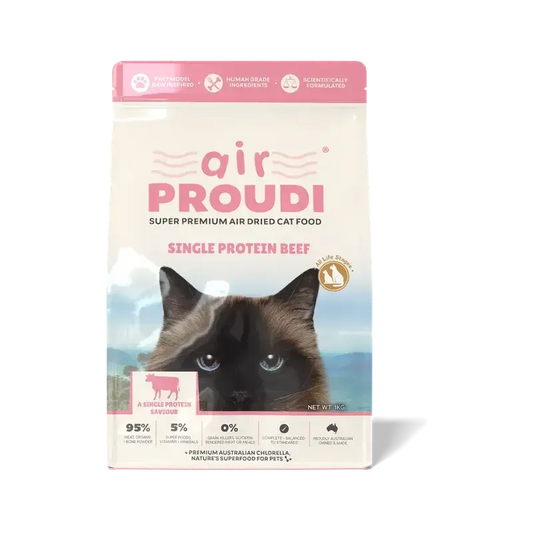
AirProudi Premium Cat Dry Food Air-dried Beef 1kg
AirProudi Premium Cat Food Air-dried Beef 1kg AirProudi® Single Protein Beef: The Ultimate Raw-Inspired Air-Dried Feast. With AirProudi® Single Protein Beef, bring your cat the authentic and wholesome fuel of the Australian outback. This is more than just cat food; it’s an insistence on...- $79.95 AUD
$89.95 AUD- $79.95 AUD
- (-11%)
- Unit price
- per
-
Vendor: PROUDI
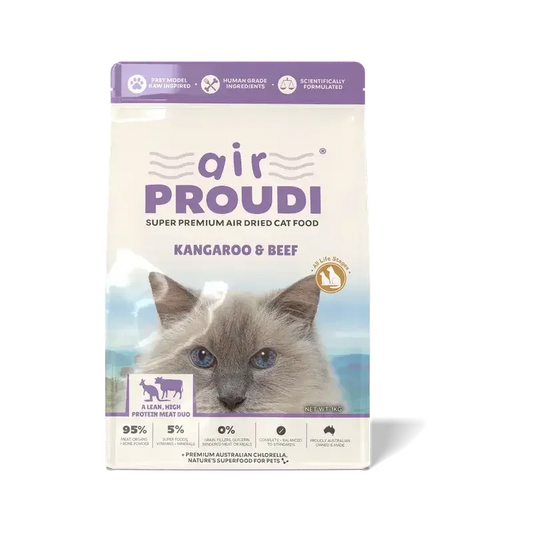
AirProudi Premium Cat Dry Food Air-dried kangaroo & Beef 1kg
AirProudi Premium Cat Food Air-dried kangaroo & Beef 1kg AirProudi® Kangaroo & Beef makes your cat’s leanest proteins available. Designed for weight control without sacrificing flavor, this recipe is the leanest in range. This sophisticated meal made with human-grade kangaroo and beef provides a...- $79.95 AUD
$89.95 AUD- $79.95 AUD
- (-11%)
- Unit price
- per
-
Vendor: PROUDI
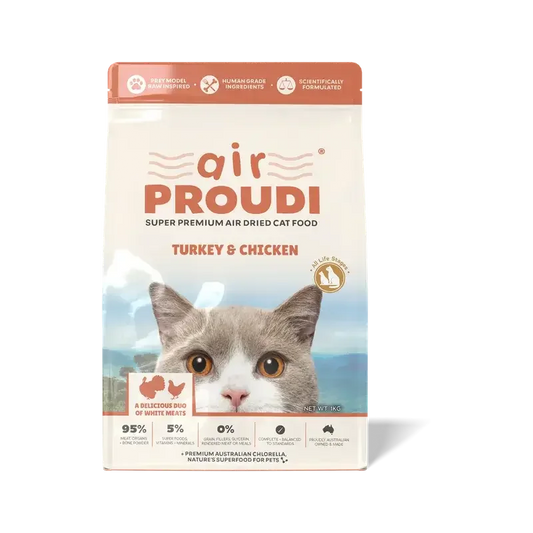
AirProudi Premium Cat Dry Food Air-Dried Turkey & Chicken 1kg
AirProudi Premium Cat Food Air-dried Turkey & Chicken 1kg Gentle Nutrition for Sensitive Spirits: AirProudi® Turkey & Chicken. Give your cat the light, lean power of high quality white proteins with AirProudi® Turkey & Chicken. At Petroom, this air-dried turkey and chicken recipe is...- $79.95 AUD
$89.95 AUD- $79.95 AUD
- (-11%)
- Unit price
- per
-
Vendor: Animals Like Us
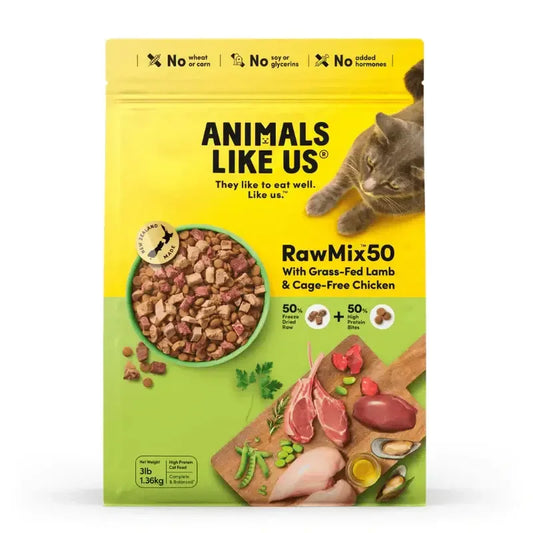
Animals Like Us Freeze Dried Raw Mix 50 Lamb with Chicken Dry Cat Food 1.36 kg
Animals Like Us Freeze Dried Raw Mix 50 Lamb with Chicken Cat Food 1.36 kg Revel in the best predator inside your cat, and unleash just-in-time nutrition from the core of New Zealand. Cat RawMix50™ is not only a meal, it’s a raw-inspired feast...- $76.95 AUD
- $76.95 AUD
- (-0%)
- Unit price
- per
-
Vendor: Animals Like Us
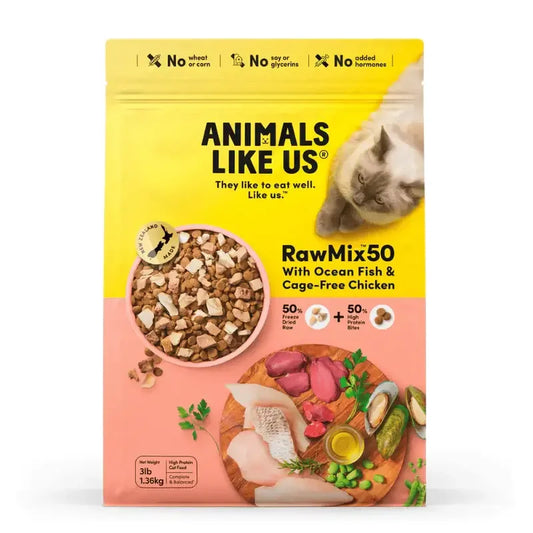
Animals Like Us Freeze Dried Raw Mix 50 Ocean Fish & Chicken Cat Dry Food 1.36kg
Animals Like Us Freeze Dried Raw Mix 50 Lamb with Chicken Cat Food 1.36 kg Healthy digestion with raw-inspired nutrition & shiny coats. Petroom sees this RawMix50™ recipe as a strong option for cat owners who want a more exciting bowl than plain kibble,...- $76.95 AUD
- $76.95 AUD
- (-0%)
- Unit price
- per
-
Vendor: Feline Natural
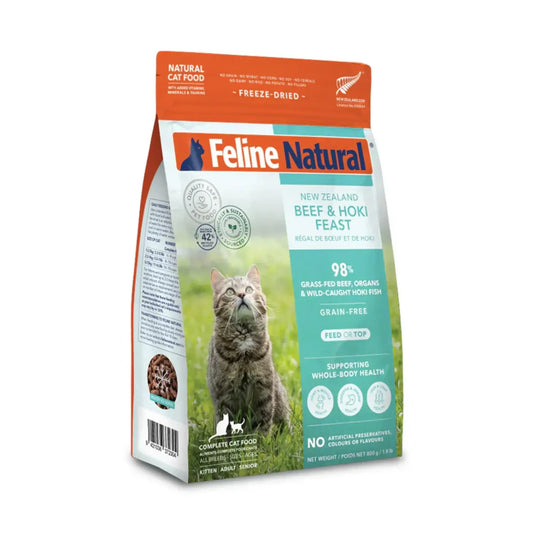
Feline Natural Grain Free Freeze Dried Beef & Hoki Raw Cat Food 800g
Feline Natural Grain Free Freeze Dried Beef & Hoki Raw Cat Food 800g Protein: Feline Natural Beef & Hoki is a premium freeze-dried food that is made with the finest New Zealand whole-food ingredients. This nutritious and balanced health food for cats is high...- $91.99 AUD
$114.99 AUD- $91.99 AUD
- (-20%)
- Unit price
- per
-
Vendor: Feline Natural
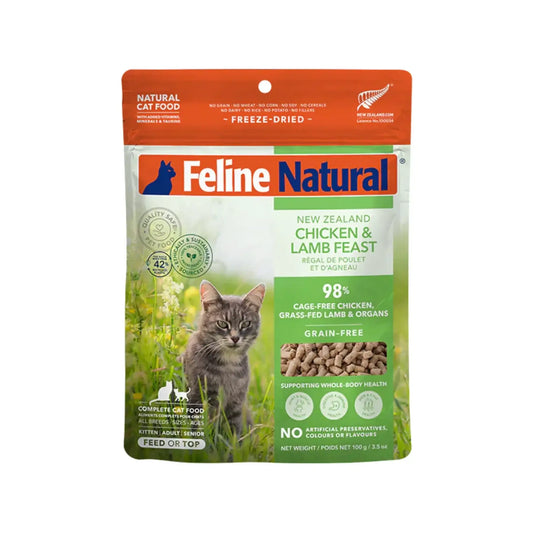
Feline Natural Grain Free Freeze Dried Chicken & Lamb Raw Cat Food
Feline Natural Grain Free Freeze Dried Chicken & Lamb Raw Cat Food All of the cat food is from a whole-food New Zealand diet. A choice made by the chef, this food is created in New Zealand using cage-free chicken and grass-fed, free-range lamb....- from $39.95 AUD
$50.99 AUD- from $39.95 AUD
- (-22%)
- Unit price
- per
-
Vendor: Feline Natural
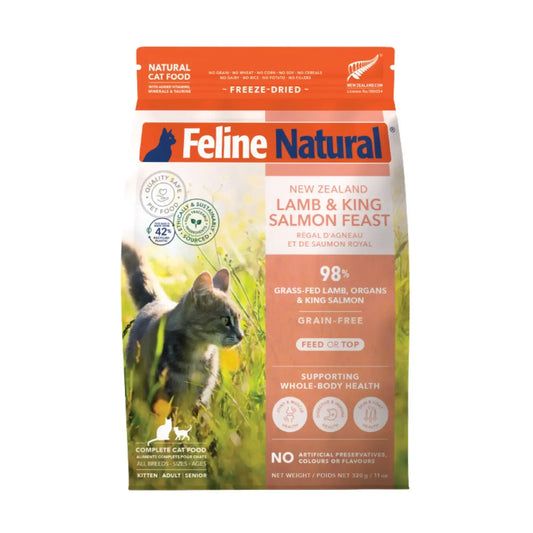
Feline Natural Grain Free Freeze Dried Lamb & Salmon Raw Cat Food
Feline Natural Grain Free Freeze Dried Lamb & Salmon Raw Cat Food Made with wholefood New Zealand products and strategically chosen vitamins and minerals, Feline Natural Lamb & King Salmon is high-end freeze-dried cat food that delivers the finest in nature’s nutrition to your...- from $39.95 AUD
$50.99 AUD- from $39.95 AUD
- (-22%)
- Unit price
- per
-
Vendor: Michu
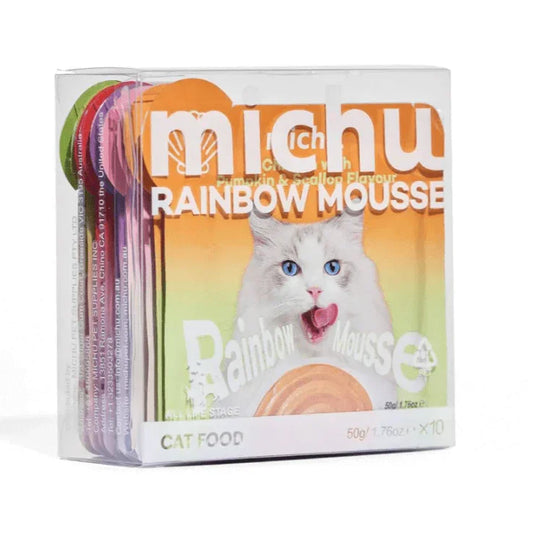
Michu Rainbow Mousse Wet Cat Food 5 Flavours- Complete Food/Wet Mixer and Topper 10pcs/Pack
Michu Rainbow Mousse Wet Cat Food 5 Flavours- Complete Food/Wet Mixer and Topper 10pcs/Pack Discover Michu Rainbow Mousse, an innovative cat food that breaks away from the monotony of traditional offerings. This delectable mousse combines vibrant colours with a delightful blend of vegetables and...- from $12.99 AUD
$24.95 AUD- from $12.99 AUD
- (-50%)
- Unit price
- per
-
Vendor: Orijen
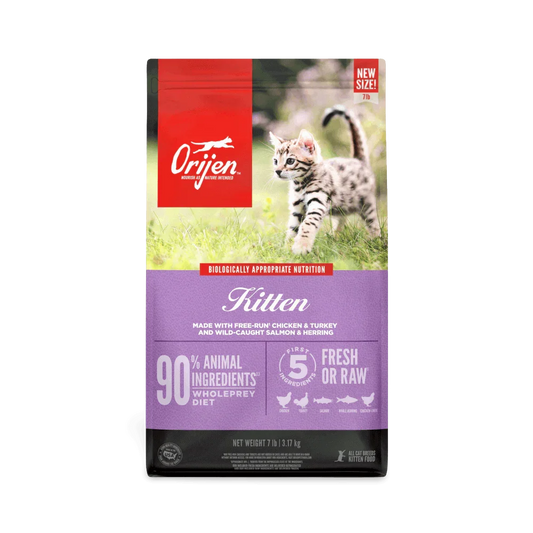
Orijen Kitten Dry Food Cat 3.17kg
Orijen Kitten Dry Food Cat 3.17kg ORIJEN Kitten Dry Cat Food — Biologically Appropriate Nutrition for Healthy Growth. ORIJEN Kitten Dry Cat Food is made to give your kitten the diet your kitten was biologically made for. Packed high with 90% premium animal ingredients,...- $98.95 AUD
$139.95 AUD- $98.95 AUD
- (-29%)
- Unit price
- per
-
Vendor: Orijen
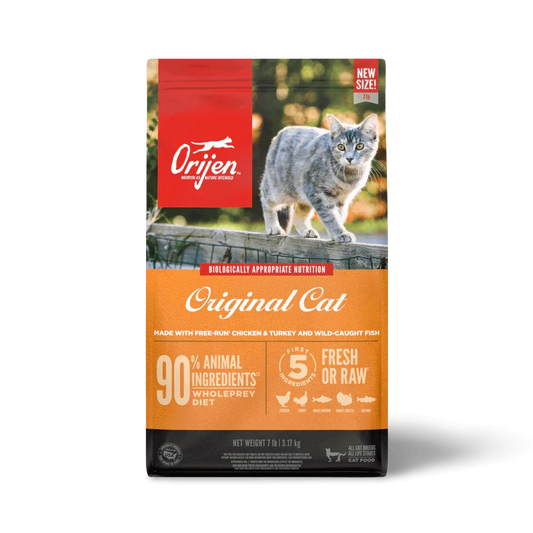
Orijen Original Cat Dry Food 5.45kg
Orijen Original Cat Dry Food 5.45kg – Premium Cat Food for Adult Cats Orijen Original Cat Dry Food provides a biologically sound and functional diet specifically for obligate carnivores. Dipped in 85% animal ingredients, this recipe is hearty and diversified. This premium cat food...- $125.57 AUD
$169.95 AUD- $125.57 AUD
- (-26%)
- Unit price
- per
-
Vendor: Orijen
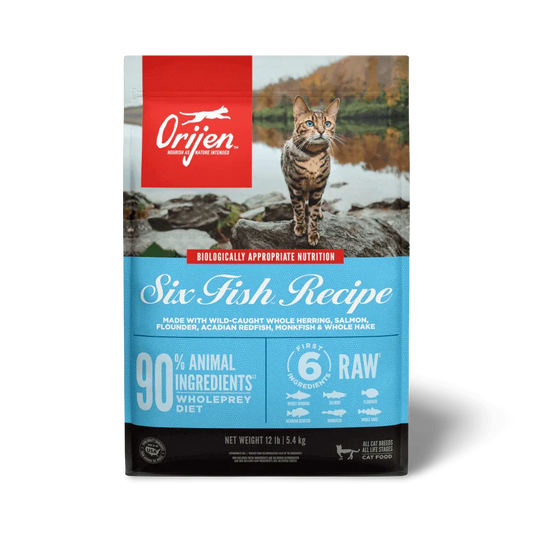
Orijen Six Fish Dry Cat Food 5.45kg
Orijen Six Fish Cat Food 5.45kg Orijen Six Fish Cat Food is a biologically appropriate, protein-rich recipe crafted to nourish cats the way nature intended. It's an artisan-made premium formula with 85% high-quality animal ingredients, featuring six types of wild-caught fish. A popular Orijen...- $134.99 AUD
$189.95 AUD- $134.99 AUD
- (-29%)
- Unit price
- per
-
Vendor: PET-EVER
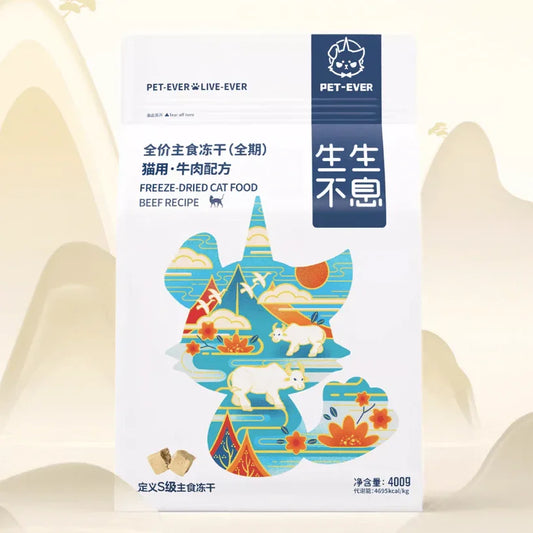
PET-EVER Freeze Dried Raw Cat Dry Food – Beef Recipe 400g
PET-EVER Freeze Dried Raw Cat Food – Beef Recipe 400g PET-EVER Freeze Dried Cat Food is specially created using premium animal ingredients. It is formulated to perfectly suit the natural food preferences of cats. Our formula respects the instinctual dietary needs of your feline...- $58.49 AUD
$68.00 AUD- $58.49 AUD
- (-14%)
- Unit price
- per
-
Vendor: PET-EVER
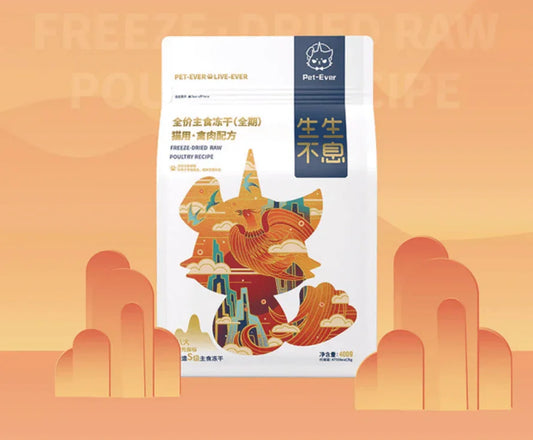
PET-EVER Freeze Dried Raw Cat Food – Chicken &Duck Recipe 400g
PET-EVER Freeze Dried Raw Cat Food – Chicken &Duck Recipe 400g 97% animal ingredients — pure and simple. PET-EVER Freeze Dried Cat Food is crafted from premium animal ingredients. These ingredients perfectly align with a cat’s natural dietary needs. This creates a meal cats...- $56.49 AUD
$68.00 AUD- $56.49 AUD
- (-17%)
- Unit price
- per
-
Vendor: PET-EVER
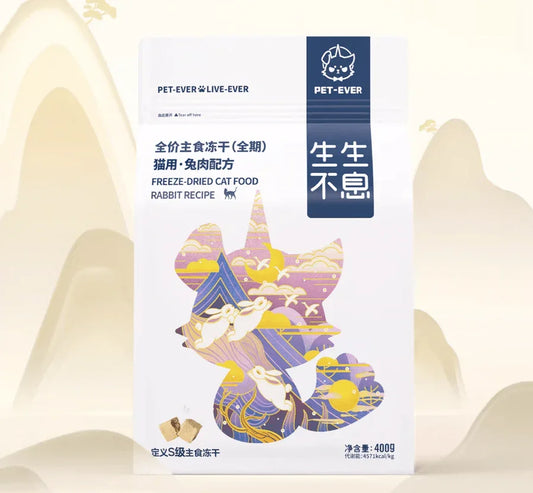
PET-EVER Freeze Dried Raw Cat Food – Rabbit Recipe 400g
PET-EVER Freeze Dried Raw Cat Food Rabbit Recipe 400g PET-EVER Freeze Dried raw cat food rabbit gives your cat unmatched raw nutrition. It contains 97% high-quality animal ingredients designed to meet your cat’s natural protein needs. The soft, dry raw formula satisfies your feline's...- $58.49 AUD
$68.00 AUD- $58.49 AUD
- (-14%)
- Unit price
- per
-
Vendor: Talentail
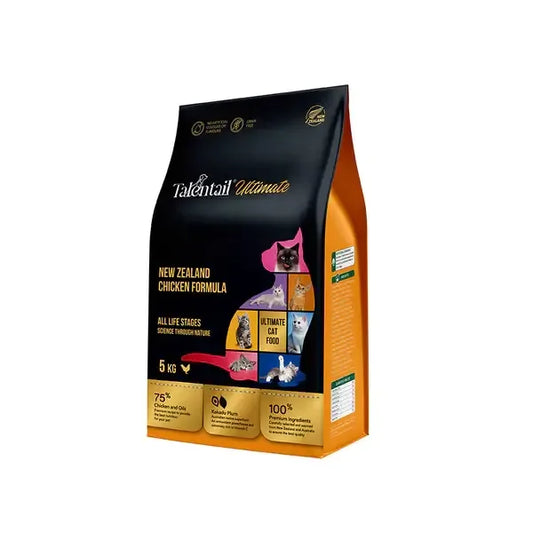
Talentail Ultimate Cat New Zealand Chicken Dry Cat Food
Talentail Ultimate Cat New Zealand Chicken Dry Cat Food Ideal for sensitive stomachs and nursing cats. 100% natural, high-protein nutrition. Provide your cat with the high-protein nutrition that they were designed to consume. At Petroom, this formula is a practical choice for cat owners...- from $44.96 AUD
$55.95 AUD- from $44.96 AUD
- (-20%)
- Unit price
- per
-
Vendor: Talentail
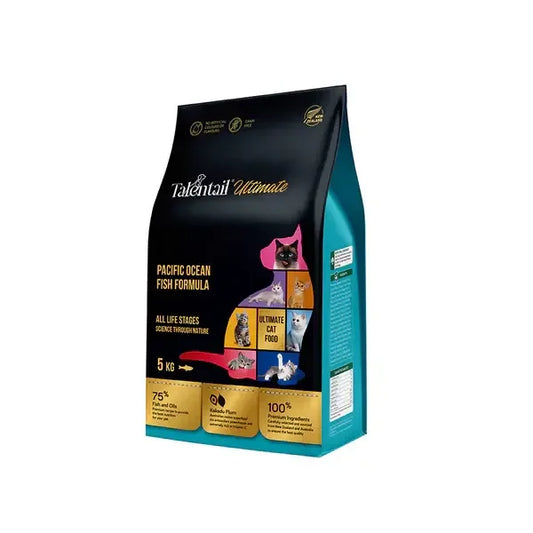
Talentail Ultimate Cat Pacific Ocean Fish Dry Cat Food
Talentail Ultimate Cat Pacific Ocean Fish Dry Cat Food Give your cat what they were born to eat. Made with 75% Fish and Oils, our recipe resembles the natural diet of feline ancestors while employing 100% premium ingredients, drawn exclusively from Australia and New...- from $44.96 AUD
$55.95 AUD- from $44.96 AUD
- (-20%)
- Unit price
- per
-
Vendor: Taste Of The Wild
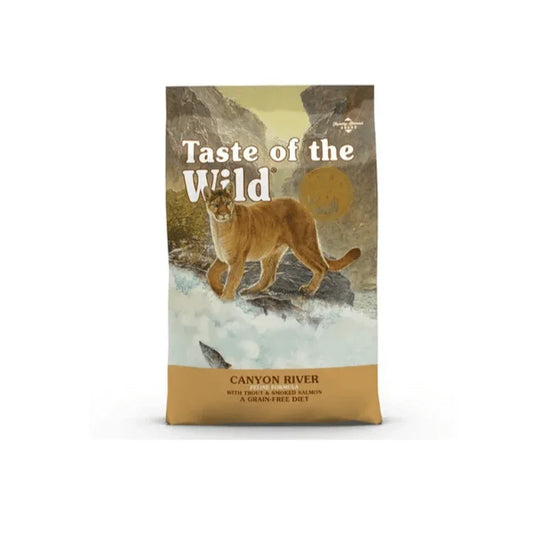
Taste Of The Wild Canyon River Adult Cat Food
Taste Of The Wild Canyon River Adult Cat Food Taste of the Wild formulas are based on your cats ancestral diet to provide high quality, balanced nutrition that satisfies her instinctual cravings for natural ingredients. This natural, grain free dry food is formulated using...- from $39.05 AUD
$45.95 AUD- from $39.05 AUD
- (-18%)
- Unit price
- per
-
Vendor: Taste Of The Wild
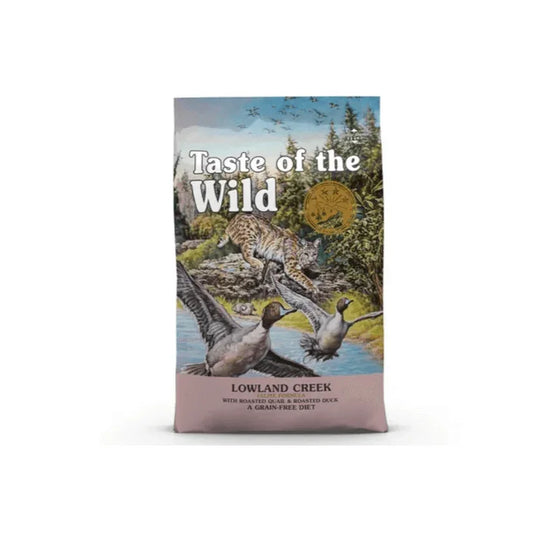
Taste Of The Wild Lowland Creek Adult Cat Food
Taste Of The Wild Lowland Creek Adult Cat Food Taste of the Wild formulas are based on your cats ancestral diet to provide high quality, balanced nutrition that satisfies her instinctual cravings for natural ingredients. Cage-free quail and cage-free duck are both highly digestible...- from $39.05 AUD
$45.95 AUD- from $39.05 AUD
- (-18%)
- Unit price
- per
-
Vendor: Taste Of The Wild
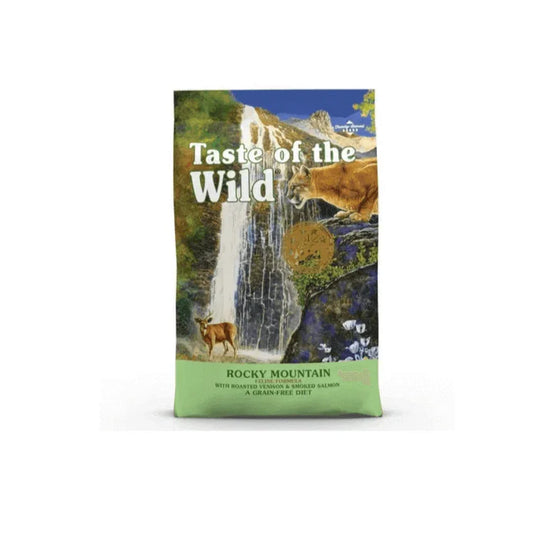
Taste Of The Wild Rocky Mountain Adult Cat Food
Taste Of The Wild Rocky Mountain Adult Cat Food Taste of the Wild formulas are based on your cats ancestral diet to provide high quality, balanced nutrition that satisfies her instinctual cravings for natural ingredients. This natural, grain free dry cat food is formulated...- from $39.05 AUD
$45.95 AUD- from $39.05 AUD
- (-18%)
- Unit price
- per
-
Vendor: ZIWI
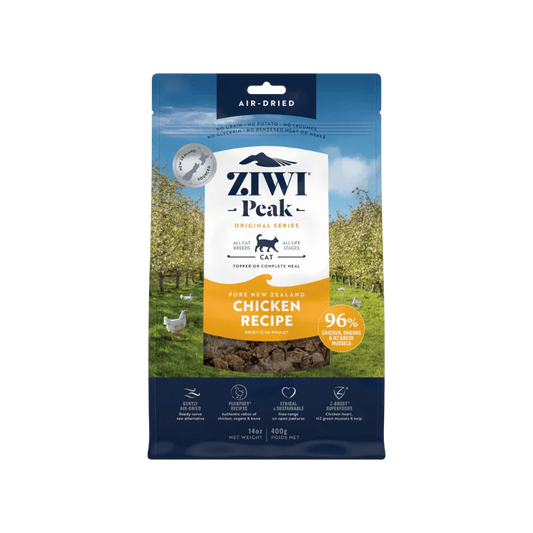
Ziwi Peak Air Dried Chicken Cat Dry Food 1kg
Ziwi Peak Air Dried Chicken Cat Food 1kg Ziwi Peak chicken cat food offers a premium, nutrient-dense diet. This New Zealand recipe supports your cat with whole-prey nutrition and natural energy. Crafted to mirror a biological diet, this food provides essential building blocks. It...- $70.95 AUD
$96.99 AUD- $70.95 AUD
- (-27%)
- Unit price
- per
-
Vendor: ZIWI
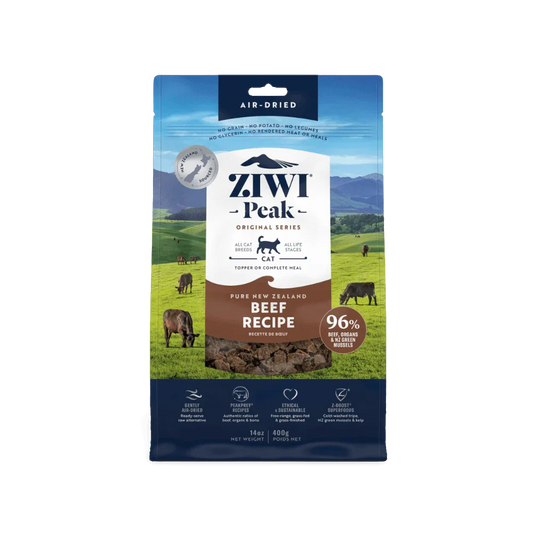
Ziwi Peak Air-Dried Beef Cat Food 1kg
Ziwi Peak Air-Dried Beef Cat Food 1kg Ziwi Peak Air-Dried Beef features premium New Zealand beef. It is raised on pasture under strict ethical and sustainable standards. This high-protein recipe mirrors a natural diet. It includes raw meat, organs, and bone for biologically appropriate...- $70.95 AUD
$96.99 AUD- $70.95 AUD
- (-27%)
- Unit price
- per
-
Vendor: ZIWI
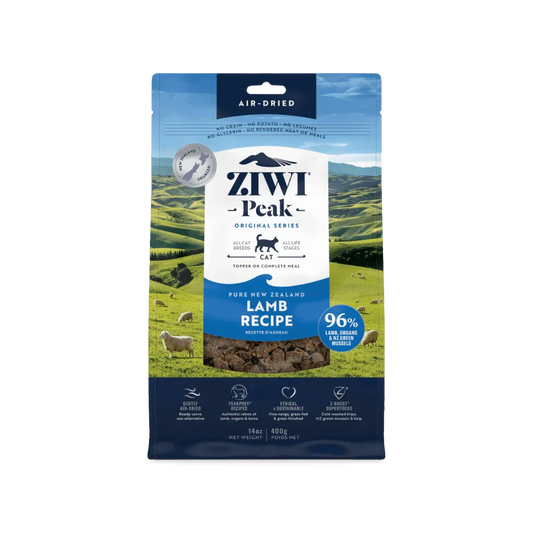
Ziwi Peak Air-Dried Lamb Recipe Dry Cat Food 1kg
Ziwi Peak Air-Dried Lamb Cat Food Ziwi Peak Air-Dried Lamb Cat Food delivers a nutrient-dense, whole-prey diet made from 100% free-range New Zealand lamb. Gently air-dried to preserve raw meat goodness, this recipe provides highly digestible nutrition for your cat with exceptional taste. The...- $68.95 AUD
$96.99 AUD- $68.95 AUD
- (-29%)
- Unit price
- per
-
Vendor: ZIWI
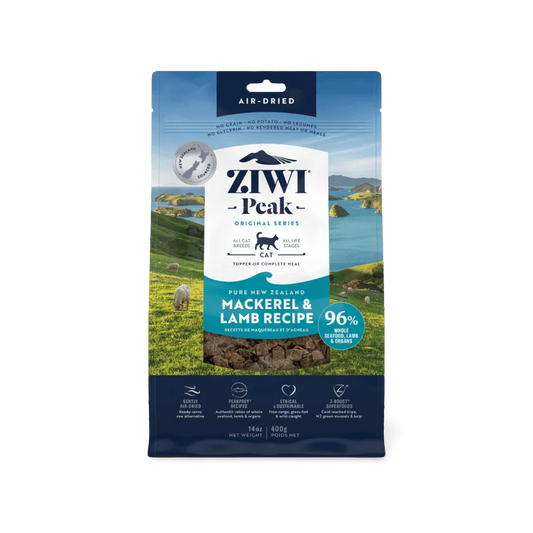
Ziwi Peak Air-Dried Mackerel & Lamb Recipe Dry Cat Food 1kg
Ziwi Peak Air-Dried Mackerel & Lamb Recipe Dry Cat Food 1kg Ziwi Peak Air-Dried Mackerel & Lamb Recipe Dry Cat Food combines the nutrient-rich benefits of wild-caught whole blue mackerel and free-range New Zealand lamb. This careful combination offers essential proteins and nutrients for...- $78.95 AUD
$104.99 AUD- $78.95 AUD
- (-25%)
- Unit price
- per
-
Vendor: ZIWI
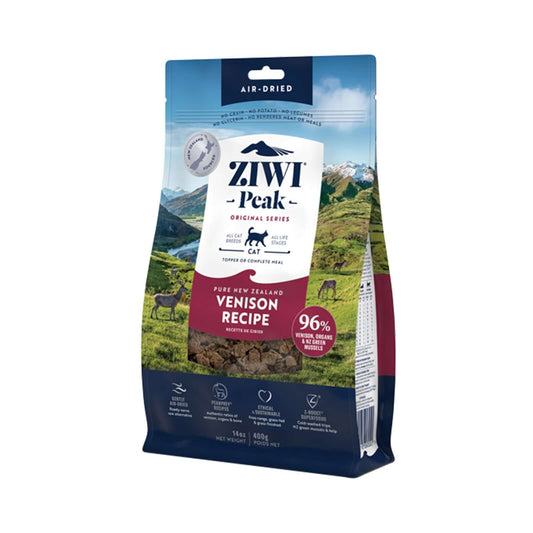
ZIWI Peak Air-Dried Venison Cat Food 400g
ZIWI Peak Air-Dried Venison Cat Food 400g ZIWI Peak Air-Dried Venison is built differently. With 96% free-range New Zealand venison, organs, bone, and New Zealand Green Mussel, this is a complete and balanced cat food that works with your cat's biology rather than around...- $55.69 AUD
$61.99 AUD- $55.69 AUD
- (-10%)
- Unit price
- per
-
Vendor: ZIWI
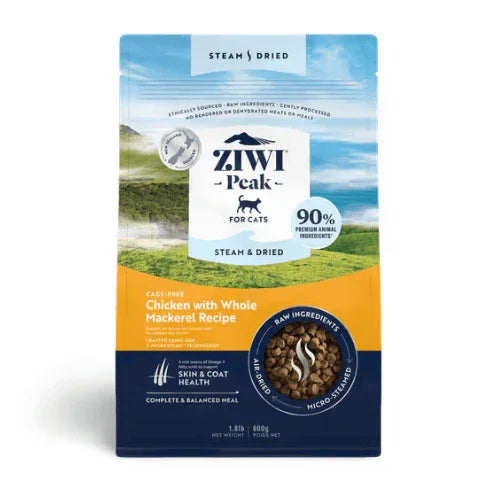
ZIWI PEAK Steam & Dried Cage-Free Chicken with Whole Mackerel Dry Cat Food
ZIWI PEAK Steam & Dried Cage-Free Chicken with Whole Mackerel Cat Food ZIWI PEAK Steam and Dried Cage-Free Chicken with Whole Mackerel Dry Cat Food offers a premium and nutrient-rich meal for your feline companion. It features a delicious blend of ethically sourced cage-free...- from $46.59 AUD
$56.99 AUD- from $46.59 AUD
- (-18%)
- Unit price
- per
-
Vendor: ZIWI
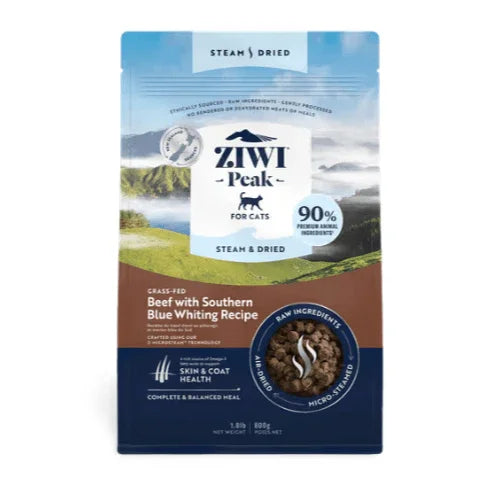
ZIWI PEAK Steam & Dried Grass-Fed Beef with Southern Blue Whiting Cat Dry Food
ZIWI PEAK Steam & Dried Grass-Fed Beef with Southern Blue Whiting Cat Food ZIWI PEAK Steam and Dried Grass-Fed Beef with Southern Blue Whiting Dry Cat Food offers a premium, nutrient-packed meal designed for your feline’s optimal health. This product is made with the...- from $39.95 AUD
$56.99 AUD- from $39.95 AUD
- (-30%)
- Unit price
- per
-
Vendor: ZIWI
ZIWI Peak Steam And Dried Wild South Pacific Fish Dry Cat Food
ZIWI Peak Steam And Dried Wild South Pacific Fish Dry Cat Food Dry Cat Food made from high-quality ingredients inspired by the natural diets of wild cats, Ziwi Peak Steam and Dried Wild South Pacific Fish Dry Cat Food. This dry cat food made...- from $46.59 AUD
$56.99 AUD- from $46.59 AUD
- (-18%)
- Unit price
- per


Vendor:
Inaba
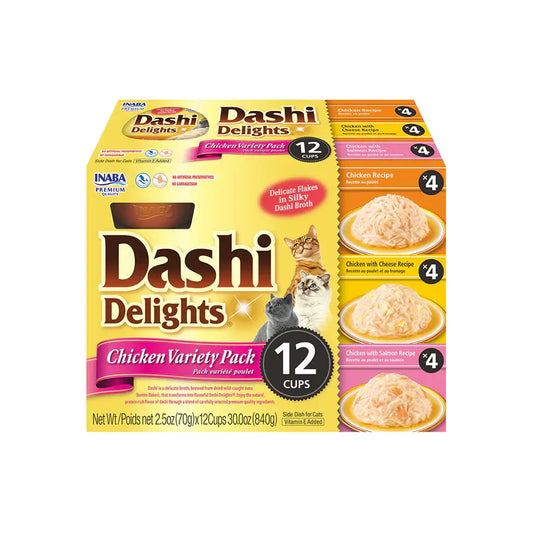
INABA Dashi Delights Chicken Variety Pack Cat Treats 12 Cups
INABA Dashi Delights Chicken Variety Pack Cat Treats 12 Cups Description INABA Dashi Delights are premium single-serve cat food toppers crafted from tender shreds of farm-raised chicken, bathed in a warm, savoury dashi broth made from wild-caught bonito flakes — the same traditional Japanese...
- $31.95 AUD
$44.95 AUD- $31.95 AUD
- (-29%)
- Unit price
- per
Vendor:
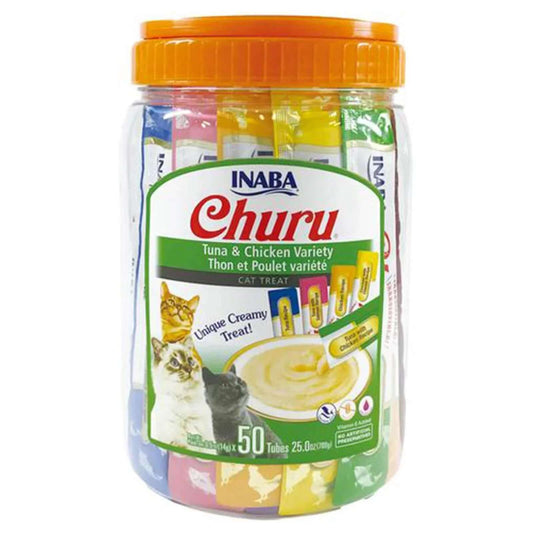
Inaba
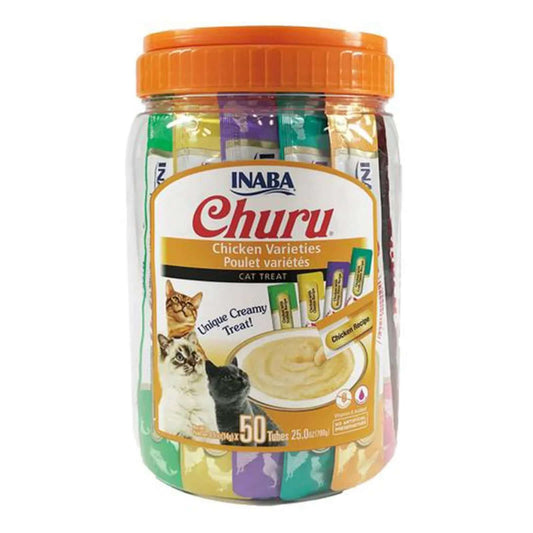
INABA Churu Puree Cat Treats - Chicken Varieties Bulk Pack 50 x 14g
INABA Churu Puree Cat Treats - Chicken Varieties Bulk Pack [Product Overview] Give your cat the ultimate poultry feast with the INABA Churu Chicken Variety Box. This bulk 50-pack tub features five mouth-watering, chicken-based flavors, providing a protein-rich and varied snacking experience for your...
- $38.98 AUD
$58.99 AUD- $38.98 AUD
- (-34%)
- Unit price
- per
Vendor:
Inaba
INABA Churu Puree Cat Treats - Tuna & Chicken Varieties Bulk Pack 50 x 14g
INABA Churu Puree Cat Treats - Tuna & Chicken Varieties Bulk Pack Can't decide between seafood or poultry? The INABA Churu Tuna & Chicken Variety Box offers the best of both worlds. This bulk 50-pack tub features five surf-and-turf inspired recipes, combining high-quality wild-caught...
- $38.98 AUD
$58.99 AUD- $38.98 AUD
- (-34%)
- Unit price
- per
Vendor:
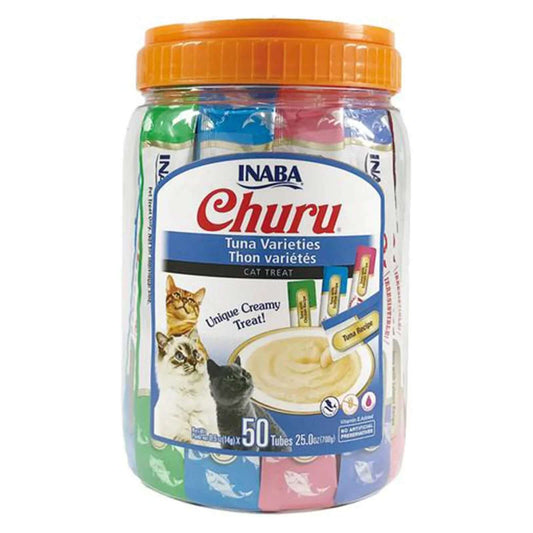
Inaba
INABA Churu Puree Cat Treats - Tuna Varieties Bulk Pack 50 x 14g
INABA Churu Puree Cat Treats - Tuna Varieties Bulk Pack [Product Overview] Treat your cat to the world’s most popular lickable treat with the INABA Churu Tuna Variety Box. This bulk 50-pack tub features four delicious, tuna-based flavors designed to entice even the fussiest...
- $38.98 AUD
$58.99 AUD- $38.98 AUD
- (-34%)
- Unit price
- per
Vendor:
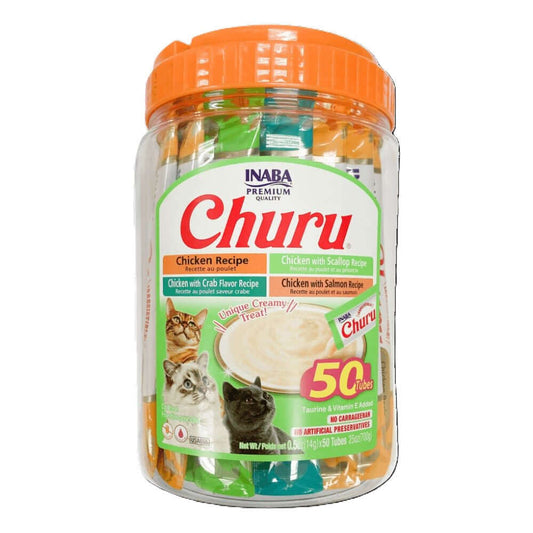
Inaba
INABA Churu Puree Cat Treats Chicken & Seafood Variety 50 x 14g
INABA Churu Puree Cat Treats Chicken & Seafood Variety (50 x 14g Tubes) Treat your cat to the delicious taste of INABA Churu Puree Cat Treats, a smooth and delicious, lickable snack incorporating real chicken and seafood from INABA Churu Puree, to your cat!...
- $38.98 AUD
$58.99 AUD- $38.98 AUD
- (-34%)
- Unit price
- per
Vendor:
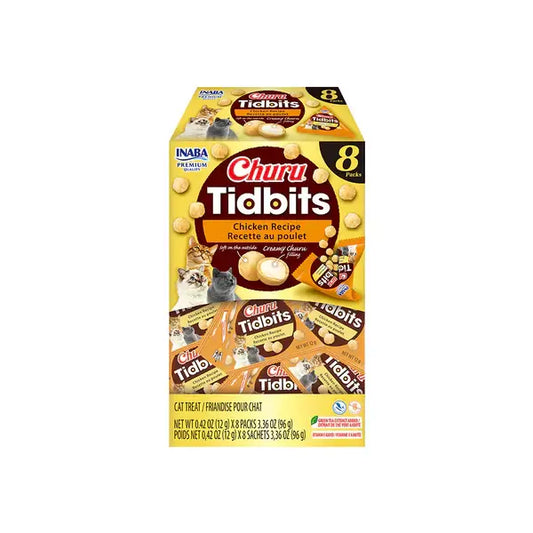
Inaba
INABA Churu Tidbits Chicken Recipe 96g (8 x 12g Packs)
INABA Cat Churu Tidbits Chicken Recipe 12g x 8 Packs (96g) Treat your cat to the ultimate snack experience with INABA Cat Churu Tidbits Chicken Recipe — the grain-free cat treat Australia's most demanding felines can't resist. Designed by INABA, one of the world's most...
- $13.59 AUD
$15.99 AUD- $13.59 AUD
- (-15%)
- Unit price
- per
Vendor:
Inaba
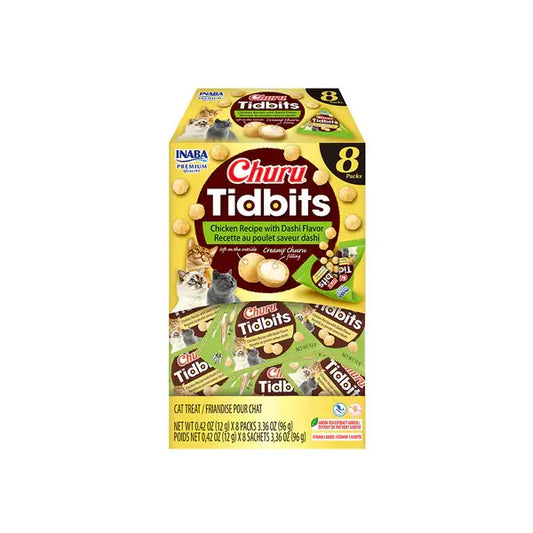
INABA Churu Tidbits Chicken With Dashi Flavor (8 x 12g Packs)
INABA Churu Tidbits Chicken With Dashi Flavor (8 x 12g Packs) Cater your cat to the grandest snack offering with INABA Cat Churu Tidbits Chicken With Dashi Flavor— the grain-free cat treat Australia’s most demanding cats cannot resist. With INABA, one of the world’s...
- $13.59 AUD
$15.99 AUD- $13.59 AUD
- (-15%)
- Unit price
- per
Vendor:
Inaba
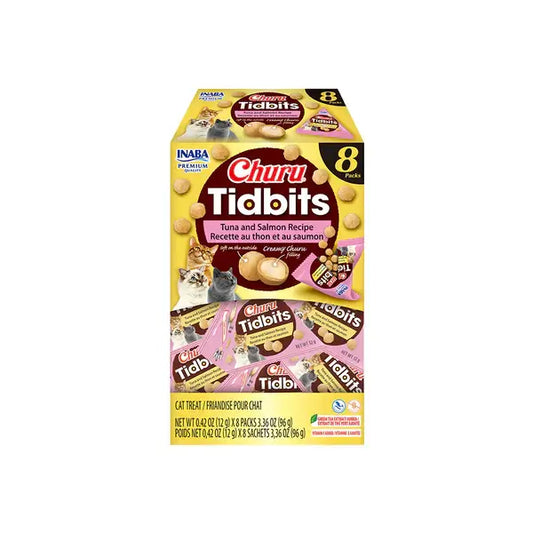
INABA Churu Tidbits Tuna And Salmon Flavor (8 x 12g Packs)
INABA Churu Tidbits Tuna And Salmon Flavor (8 x 12g Packs) Soft and indulgent treats filled with creamy Churu in every bite. INABA products contain yummy, high-quality ingredients from farm-raised chicken and wild-caught tuna. Convenient, portion-controlled packs for on-the-go delivery. If your cat is drawn...
- $13.59 AUD
$15.99 AUD- $13.59 AUD
- (-15%)
- Unit price
- per
Vendor:
Meaty Treaty
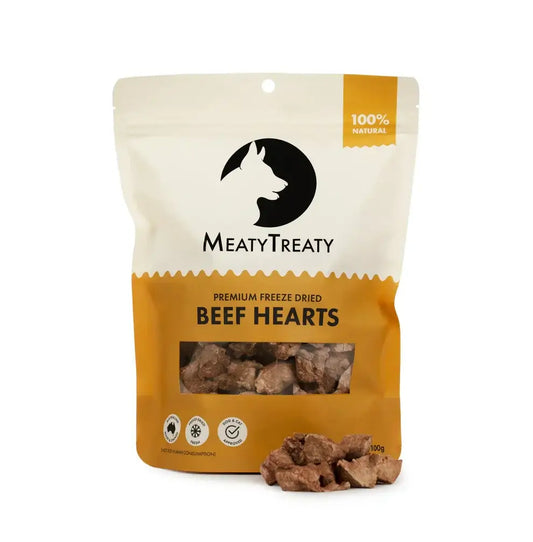
Meaty Treaty Freeze Dried Beef Hearts Australian Treats for Dogs & Cats 100g
Meaty Treaty Freeze Dried Beef Hearts Healthy Dogs & Cats Treats 100g We give your pet the ultimate reward with savory Meaty Treat Beef Hearts. The ultra-pure meats of premium raw food offer a whole range of energy that you’ll find anywhere – especially...
- $14.99 AUD
$19.99 AUD- $14.99 AUD
- (-25%)
- Unit price
- per
Vendor:
Meaty Treaty
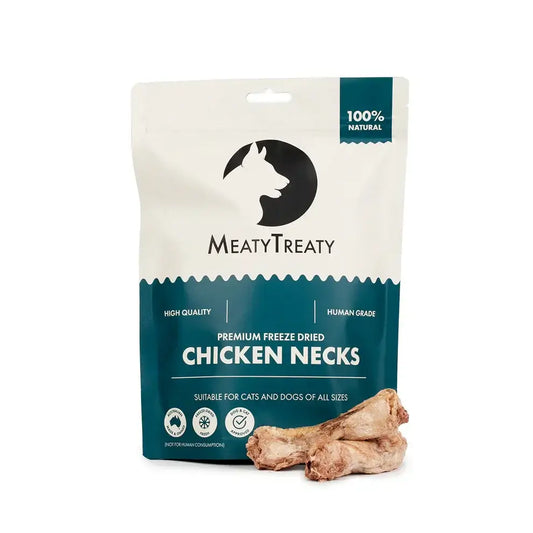
Meaty Treaty Freeze Dried Chicken Neck Healthy Australia Dogs & Cats Treats 100g
Meaty Treaty Freeze Dried Chicken Neck Healthy Dogs & Cats Treats 100g Looking for a healthy, single-protein pet treat? We hope that those tails will continue to wag and teeth sparkle. Raw Chicken Necks are a nutrient-dense snack intended for joint mobility and dental...
- $12.79 AUD
$15.99 AUD- $12.79 AUD
- (-20%)
- Unit price
- per
Vendor:
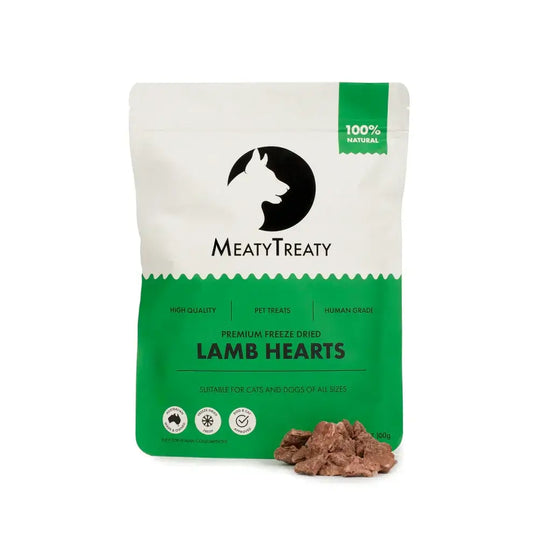
Meaty Treaty
Meaty Treaty Freeze Dried Lamb Hearts for Dogs & Cats – Cat Treats Australia 100g
Meaty Treaty Freeze Dried Lamb Hearts Healthy Dogs & Cats Treats 100g Looking for a healthy, single-protein pet treat? Meaty Treaty Beef Hearts are a powerhouse of nutrition. Our raw Lamb Hearts provide a natural boost of taurine, iron, and zinc—the building blocks for...
- $13.59 AUD
$15.99 AUD- $13.59 AUD
- (-15%)
- Unit price
- per
Vendor:
Meaty Treaty
Salmon Fillet Freeze Dried Treats For Cats & Dogs 80g
Salmon Fillet Freeze Dried Treats For Cats & Dogs 80g Be Sure To Buy 100% Human-Grade Fish With Meaty Treaty Salmon Fillets! And instead of mass-produced biscuits containing grains and fillers, our fillets have been vacuum freeze-dried to maintain the nutritional integrity, natural oils,...
- $15.99 AUD
$18.95 AUD- $15.99 AUD
- (-16%)
- Unit price
- per
Vendor:
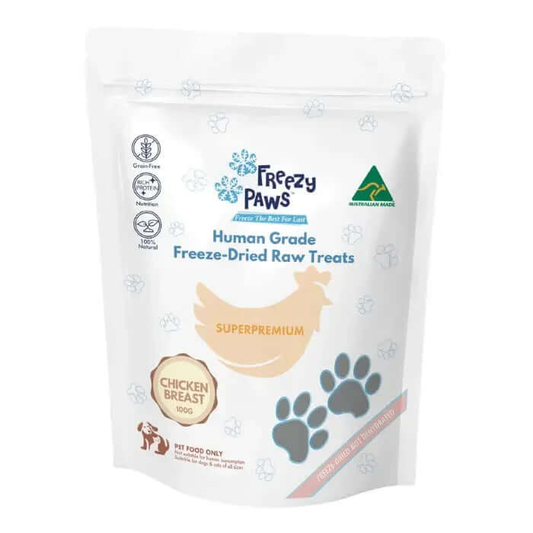
FREEZY PAWS
Freezy Paws Freeze Dried Cat Treats Chicken Breast for Dogs & Cats 100g
Freezy Paws Freeze-Dried Chicken Breast Dog & Cat Treats 100g Let’s be real—most pet treats are mystery bags of fillers. If you’re tired of squinting at ingredient labels, Freezy Paws Freeze-Dried Chicken Breast is your "reset button." It’s literally just chicken. No grains, no...
- $18.99 AUD
$21.99 AUD- $18.99 AUD
- (-14%)
- Unit price
- per
Vendor:
FREEZY PAWS
Freezy Paws Freeze Dried Cat Treats Chicken Breast with Colostrum 80g
Freezy Paws Chicken Breast with Colostrum Treats 80g Let’s talk about the "Secret Sauce"—Colostrum. If you’ve got a new puppy or a kitten with a sensitive system, you know the struggle of finding treats that don’t cause a tummy upset. For Petroom, this is...
- $18.99 AUD
$21.99 AUD- $18.99 AUD
- (-14%)
- Unit price
- per
Vendor:
PETROOM
Freezy Paws Freeze Dried Human Grade Chicken Breast Catnip Cat Treats 80g
Freezy Paws Freeze Dried Human Grade Chicken Breast Catnip Cat Treats 80g Freezy Paws, Freeze Dried Cat Treats, Chicken Breast with Catnip, Human Grade Cat Snacks, Catnip Infused Treats, Grain-Free Cat Food, High Protein Kitten Treats, 80g Cat Treats. 【Product Highlights】 Dynamic Duo (Chicken...
- $18.99 AUD
$21.99 AUD- $18.99 AUD
- (-14%)
- Unit price
- per
Vendor:
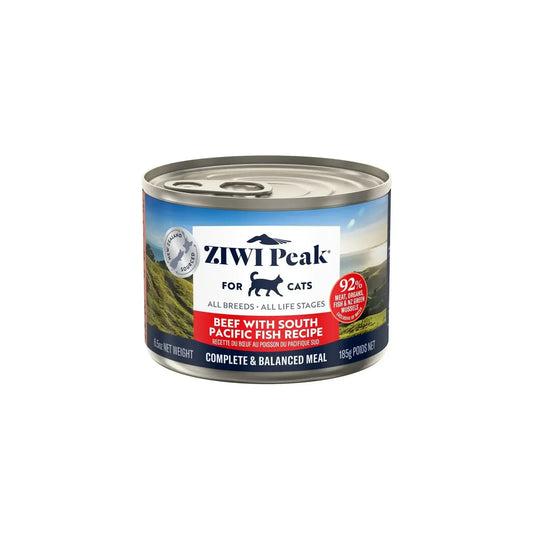
ZIWI
Ziwi Peak Beef With South Pacific Fish Cat Wet Food
Ziwi Peak Beef With South Pacific Fish Cat Wet Food Give your pet the nutrition nature intended with Ziwi Peak Beef and Fish Cat Food, a premium recipe crafted in New Zealand. Each can provides a high-moisture meal that mirrors an ancestral diet. This...
- from $57.95 AUD
$71.99 AUD- from $57.95 AUD
- (-20%)
- Unit price
- per
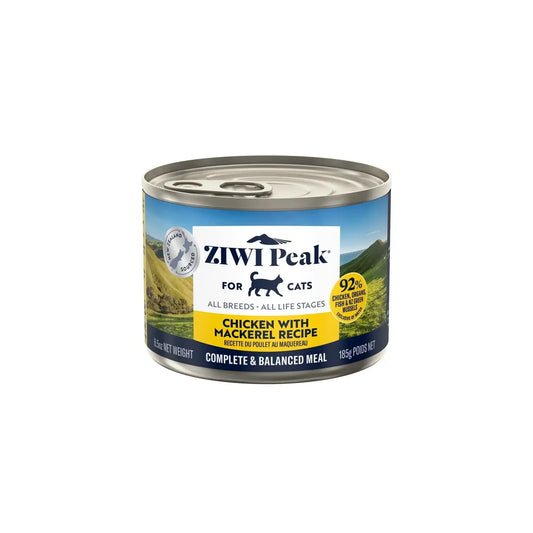
Vendor:
ZIWI
Ziwi Peak Chicken With Mackerel Fish Cat Wet Food
Ziwi Peak Chicken With Mackerel Fish Cat Wet Food Pure protein. Zero compromise. ZIWI Peak Chicken with Mackerel Wet Cat Food provides the nutrition your kitty is hard-wired to want and crave — a rich, moisture-dense pâté prepared with real, ethically sourced ingredients and...
- from $57.95 AUD
$71.99 AUD- from $57.95 AUD
- (-20%)
- Unit price
- per
Vendor:
ZIWI
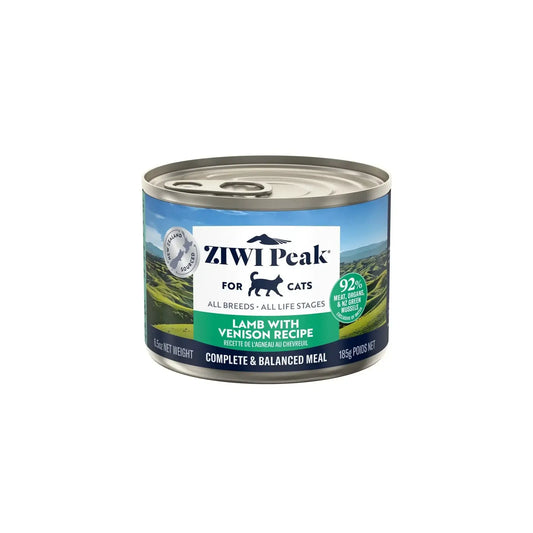
Ziwi Peak Lamb with Venison Cat Wet Food
Ziwi Peak Lamb with Venison Cat Wet Food Treat your pet to Ziwi Peak Lamb Venison Cat Food, a moisture-dense pâté featuring two of New Zealand's finest free-range red meats. This premium cat recipe is ethically sourced and free from fillers, binders, or unnecessary...
- from $57.95 AUD
$71.99 AUD- from $57.95 AUD
- (-20%)
- Unit price
- per
Vendor:
PETROOM
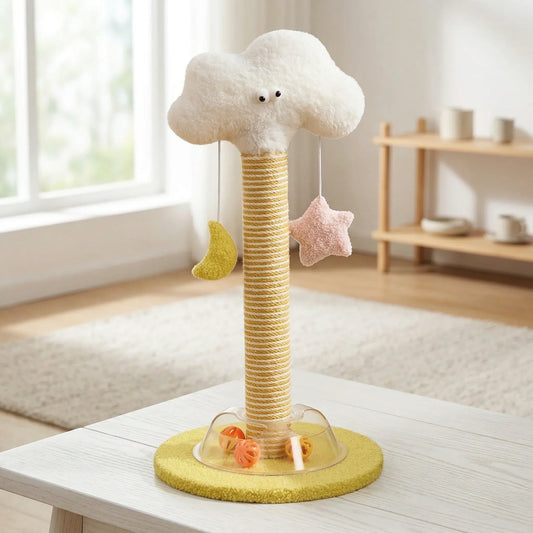
Articulate Cartoon Cloud Scratching Post with Ball Track Base – Vertical cat scratchers Play Station
Articulate Cartoon Cloud Scratching Post with Ball Track Base 2-in-1 Turntable & Vertical Cat Scratcher Introduce a bit of magic into your house with the Cloud Cat Scratcher. And this fun cat scratcher is not just one tool for claw care — it’s all...
- $39.97 AUD
$45.95 AUD- $39.97 AUD
- (-13%)
- Unit price
- per
Vendor:
PETROOM
Rileycat Pine Bonsai Pet Bed – Creative cat tree for large cats XL
Rileycat Pine Bonsai: The Perfect Luxury Cat Bed & Zen Resort XL Bring up the comfort of your home and your pet with the Rileycat Pine Bonsai, a masterpiece of Japanese-style pet furniture. Just a home bed for kitty comfort, this is a high-end...
- $69.95 AUD
$79.95 AUD- $69.95 AUD
- (-13%)
- Unit price
- per


























Recently Viewed Products
Cat Dry Food FAQ
Is dry food good for cats?
Depends entirely on which one. Supermarket kibble and a premium brand like Orijen are very different products in the same shape — same form factor, completely different nutrition story.
The real question is "is this dry food good?" — and the answer comes down to a few things on the back of the bag. Is the first ingredient a named animal protein (chicken, lamb, salmon — not "meat meal")? Does the food carry an AAFCO life-stage statement? Is taurine listed in the ingredients? Three yes answers and you're in the right ballpark.
Our guide to dry food and freeze-dried treats covers the practical stuff in more depth — what to actually look for, what to skip, and when dry food alone isn't enough.
How much dry food should I feed my cat?
For most healthy adult cats sitting between 4–5 kg, you're looking at 50–75 g of dry food per day, split into two meals. A 6 kg+ cat: closer to 75–90 g, depending on how active they are.
The bag's feeding chart is the starting point, not the rule. Your cat's body shape is the real signal — if you can't feel ribs through a thin layer of fat, dial it back. If you can see ribs, dial it up. Watch over a couple of weeks rather than reacting day-to-day; cats don't gain or lose weight overnight.
A note on water: dry food sits at around 8–10% moisture, while wet food is 70–80%. Cats on dry-only diets often don't drink enough on their own. Multiple water bowls around the house, or one wet meal a day, makes a real difference.
Is grain-free dry cat food better?
Only if the brand replaced the grain with something better — usually more meat, more named animal protein. If they swapped wheat for potato or pea protein, you're paying more for the same shortcut in a different costume.
The Cornell Feline Health Center has detailed guidance on what cats actually need from food — they're obligate carnivores, evolved to extract nutrients from animal tissue, not from plant fillers. Whether the filler is grain or pea is less important than whether there's a filler problem at all.
Cats with confirmed grain sensitivities benefit from grain-free. Healthy cats without sensitivities don't strictly need it. Read the first five ingredients, not the front-of-pack claim.
Can I mix wet and dry cat food?
Yes — and most vets quietly recommend it.
Dry food gives you convenience and free-feeding flexibility. Wet food adds the moisture that cats on dry-only diets often miss — hydration is one of the biggest gaps in modern cat nutrition. The combination covers both bases.
A common pattern: dry food available throughout the day, plus one or two small wet meals. Just count both toward the daily calorie total — easy to accidentally double-feed when you're switching formats. Brands like Ziwi Peak, Feline Natural and Talentail produce both wet and dry so you can pair within the same brand if your cat's particular about flavour.
How long does an open bag of dry cat food last?
About 4–6 weeks if you store it properly — sealed in the original bag, kept somewhere cool and dry, ideally inside an airtight container.
Premium high-protein dry foods actually go off faster than cheap kibble. The fats oxidise — that's a feature of using real animal protein, not a flaw — but it does mean smaller bags often make sense even when the per-kilo cost is higher.
If your cat suddenly turns up their nose at food they used to love, check the date and the smell before assuming they've gone fussy. Rancid kibble is a real thing, and cats notice well before we do.
How do I switch my cat to a new dry food?
Slowly. Cats are notoriously bad at sudden food changes — plan for 7–10 days, not overnight.
Days 1–3: 75% old food, 25% new. Days 4–6: 50/50. Days 7–9: 25% old, 75% new. Day 10: full switch. Watch for soft stools or food refusal — both signal either the new food doesn't agree with your cat, or the transition was too fast (annoyingly, the symptoms look the same). If you see either, slow down before you blame the food.
If your cat's being especially fussy about the new food, sprinkling a few freeze-dried cat treats on top can help bridge the gap. The smell change usually does the work — cats decide what's worth eating largely by scent.
Is dry food bad for a cat's kidneys?
The "dry food causes kidney disease" line gets repeated a lot, but the actual evidence is messier than the headline.
Current consensus from the WSAVA Global Nutrition Guidelines is that hydration matters more than format. A cat eating dry food but drinking enough water and getting some wet food in the rotation is generally fine. Dry-only diets without enough water — that's where urinary issues start to creep in.
Cats already diagnosed with kidney disease usually do better on wet or prescription food, but that's a clinical decision, not a blanket rule. If your cat has any history of urinary issues, or is over 10 years old, worth a quick chat with your vet about what makes sense for their specific situation.


- Choosing a selection results in a full page refresh.