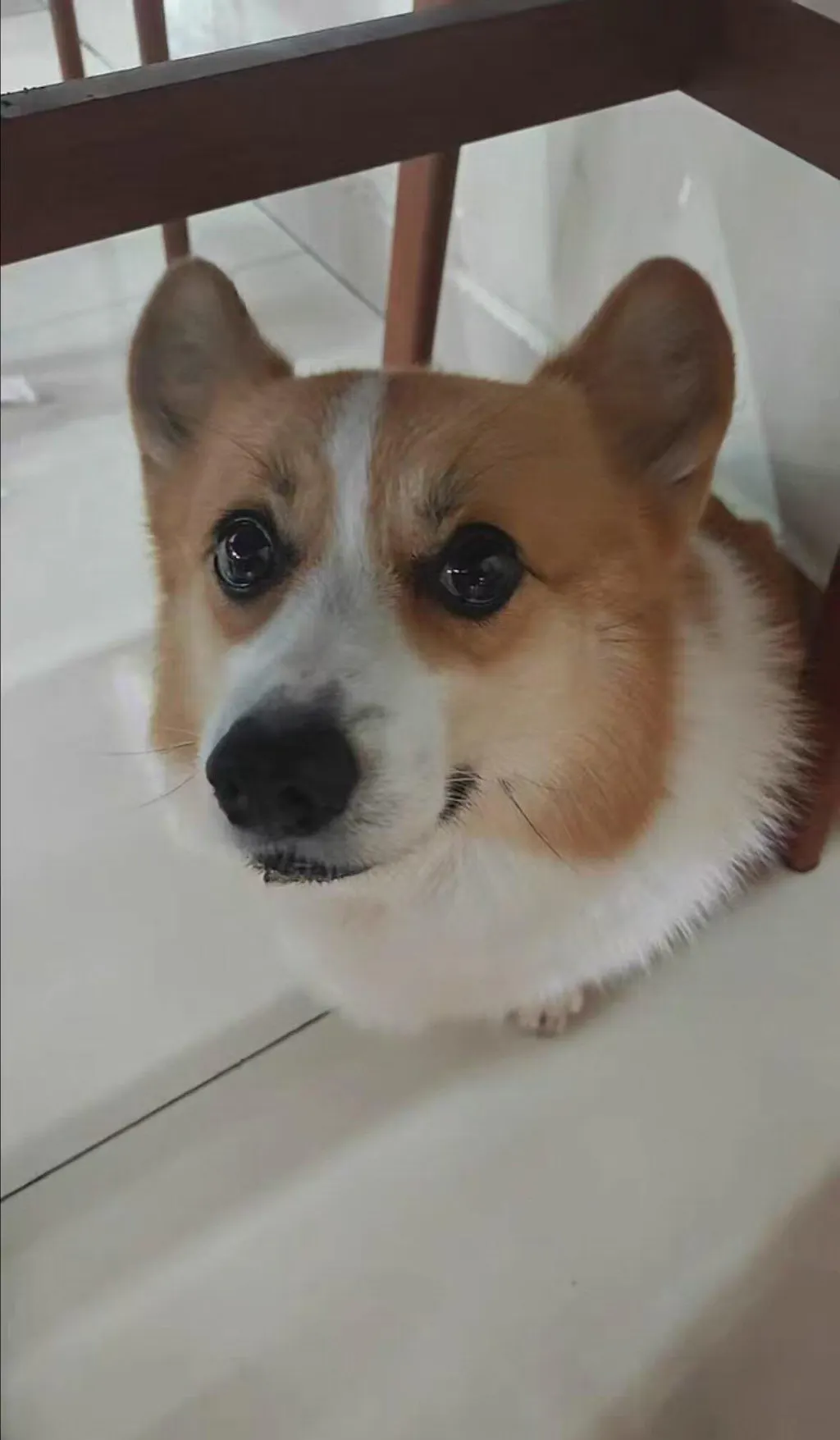
















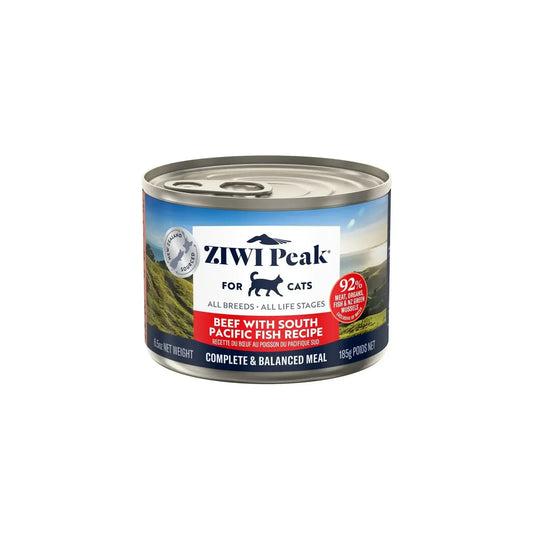

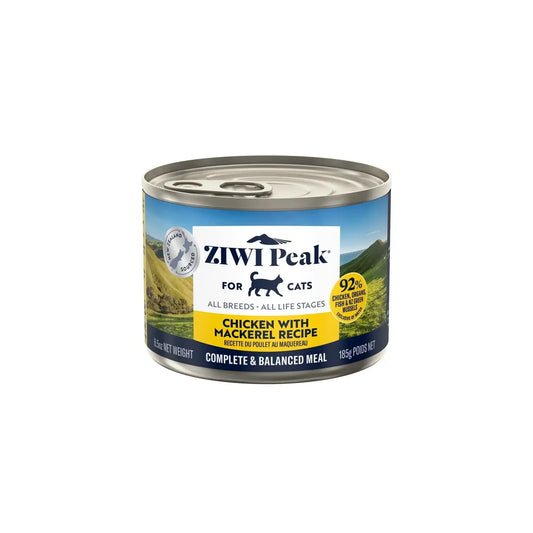

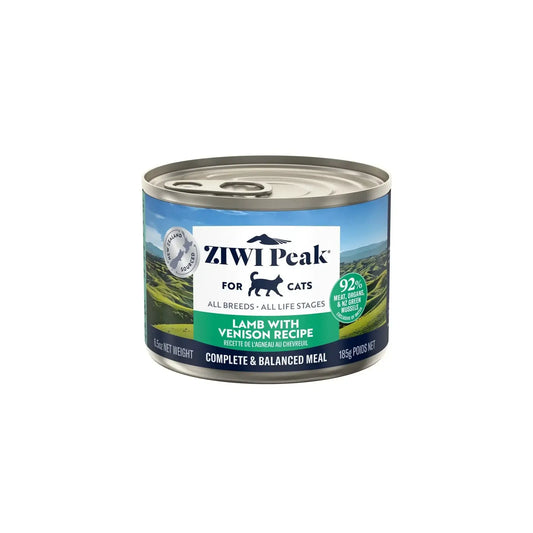



Wet dog food is the easy answer when dry isn't enough — for fussy eaters, seniors who've lost interest in kibble, or dogs that don't drink enough on hot days. At Petroom, we stock high-protein dog wet food from Ziwi Peak, Animals Like Us and other brands that lead with real meat instead of fillers. Filter below by brand or protein, or scroll down for a quick guide on when wet food actually earns its place.
-
Vendor: Taste Of The Wild
Taste Of The Wild Duck & Chicken Fruit & Veg Dog Tray 390g x 7
Taste Of The Wild Duck & Chicken Fruit & Veg Dog Tray Taste of the Wild Dog Duck and Chicken with Fruit and Vegetables is a complete and balanced wet pet food, containing premium quality meats that provide the essential amino acids and protein...- $61.95 AUD
$69.95 AUD- $61.95 AUD
- (-11%)
- Unit price
- per
-
Vendor: Taste Of The Wild
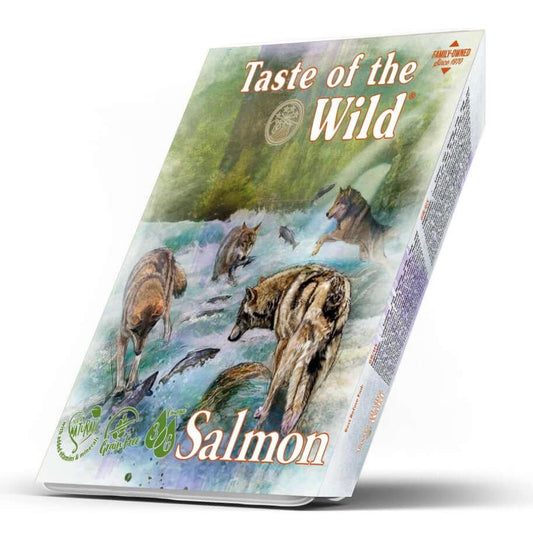
Taste Of The Wild Salmon Herring Fruit & Veg Dog Tray 390g x 7
Taste Of The Wild Salmon Herring Fruit & Veg Dog Tray Taste Of The Wild Salmon Herring Fruit & Veg Dog Tray is a complete and balanced wet dog food, containing premium quality meats which provides the essential amino acids and protein that dogs...- $61.95 AUD
$69.95 AUD- $61.95 AUD
- (-11%)
- Unit price
- per
-
Vendor: Taste Of The Wild
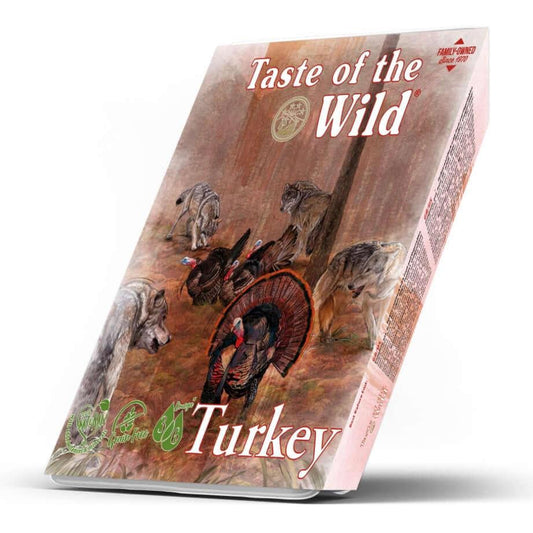
Taste Of The Wild Turkey & Duck Fruit & Veg Dog Tray 390g x 7
Taste Of The Wild Turkey & Duck Fruit & Veg Dog Tray 390g Wet food, full grain-free Taste Of The Wild Turkey & Duck Fruit & Veg, just about ideal for a natural, healthy and well-balanced day’s feed. 60% premium meats featured on Aspen’s...- $45.95 AUD
$69.95 AUD- $45.95 AUD
- (-34%)
- Unit price
- per
-
Vendor: Taste Of The Wild
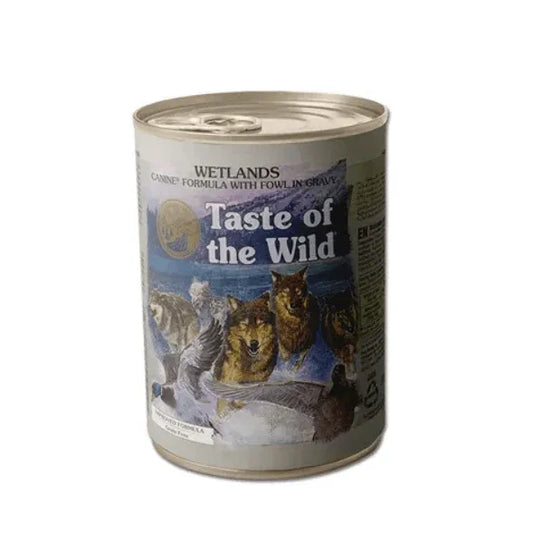
Taste Of The Wild Wetlands Wth Fowl In Gravy Dog Can 390g x 12
Taste Of The Wild Wetlands Wth Fowl In Gravy Dog Can Taste of the Wild Dog Wetlands Canine Formula with Fowl in Gravy is a complete and balanced wet dog food, containing premium quality meats which provides the essential amino acids and protein that...- from $59.96 AUD
$79.95 AUD- from $59.96 AUD
- (-31%)
- Unit price
- per
-
Vendor: Zealandia
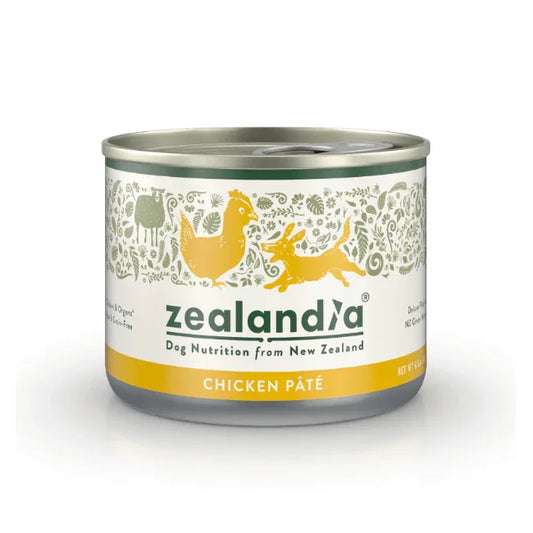
ZEALANDIA Grain Free Chicken Pate Dog
ZEALANDIA Grain Free Chicken Pate Dog Chicken Pate Dog formula is a balanced & Complete diet for Adult Dogs. Free-Run and Chicken-licious! New Zealand’s world-class succulent chicken is pleasingly free from growth hormones, and antibiotics. Chicken Pate Dog formula is slow cooked in a delicious...- from $4.59 AUD
$5.88 AUD- from $4.59 AUD
- (-26%)
- Unit price
- per
-
Vendor: Zealandia
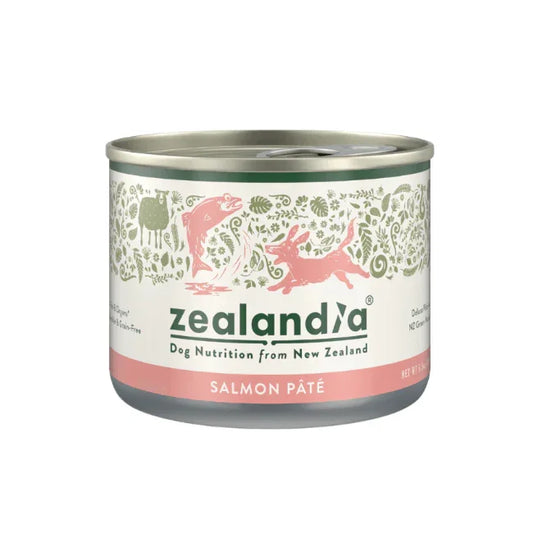
ZEALANDIA Grain Free Salmon Pate DOG
Description Zealandia Salmon Pâté leads with sustainably sourced New Zealand King Salmon — one of the richest natural sources of Astaxanthin, the powerful carotenoid found only in salmon that supports immune health, cellular protection, and a visibly healthier coat. Paired with Salmon Oil throughout...- from $4.59 AUD
$5.89 AUD- from $4.59 AUD
- (-22%)
- Unit price
- per
-
Vendor: Zealandia
ZEALANDIA Grain Free Venison Pate DOG
Description When chicken and beef have run their course, Zealandia Venison Pâté offers a clean reset. Made from deboned New Zealand free-range venison — a novel, hypoallergenic protein absent from most commercial dog foods — this complete wet food is purpose-built for dogs with...- from $5.49 AUD
$6.35 AUD- from $5.49 AUD
- (-17%)
- Unit price
- per
-
Vendor: ZIWI
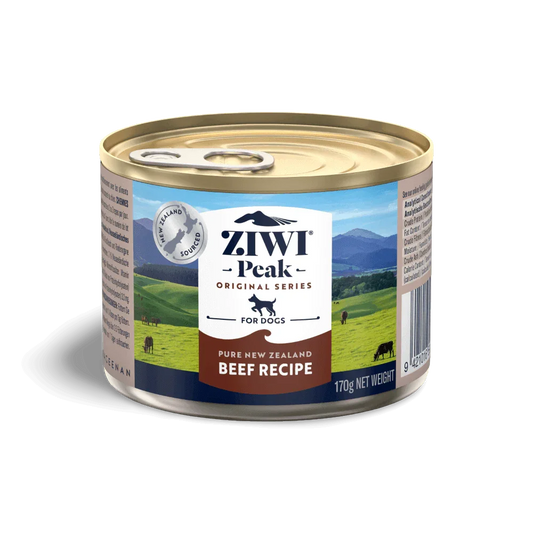
Ziwi Peak Wet Dog Food Beef 170g
Ziwi Peak Wet Dog Food Beef 170g 91% Grass-Fed New Zealand Beef, Complete & Balanced Meal Treat your dog to a nutrient-rich, gourmet meal with Ziwi Peak Wet Dog Food Beef , made with ethically sourced, free-range, grass-fed beef from New Zealand. This Ziwi Peak...- from $4.90 AUD
$5.45 AUD- from $4.90 AUD
- (-10%)
- Unit price
- per
-
Vendor: ZIWI
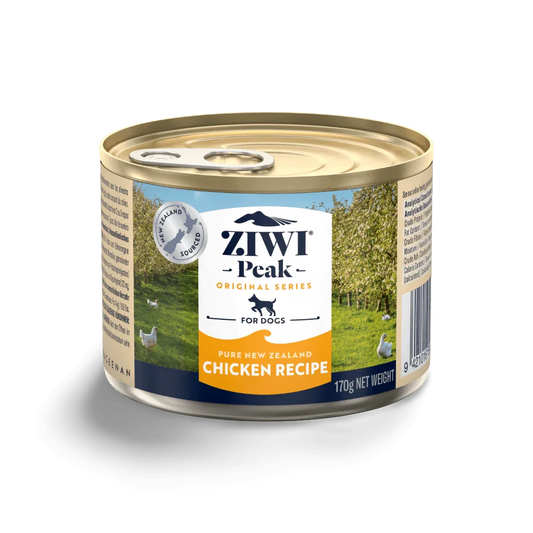
Ziwi Peak Wet Dog Food Chicken 170g
Ziwi Peak Wet Dog Food Chicken 170g Free-Range Chicken, Complete & Balanced Nutrition Give your dog the best of New Zealand’s natural nutrition with Ziwi Peak Wet Dog Food Chicken. Made from free-range, ethically raised chicken and enhanced with New Zealand Green Mussels, Ziwi...- from $4.69 AUD
$5.45 AUD- from $4.69 AUD
- (-14%)
- Unit price
- per
-
Vendor: ZIWI
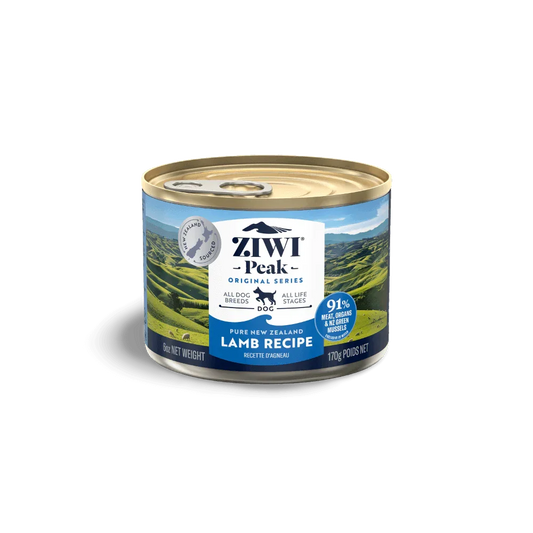
Ziwi Peak Wet Dog Food Lamb 170g
Ziwi Peak Wet Dog Food Lamb 170g 91% Free-Range New Zealand Lamb, Complete & Balanced Meal Give your dog the nutrition of nature with Ziwi Peak Lamb Wet Dog Food, crafted in New Zealand using ethically sourced, free-range, grass-fed lamb. This premium, single-protein recipe delivers...- from $4.69 AUD
$5.45 AUD- from $4.69 AUD
- (-14%)
- Unit price
- per